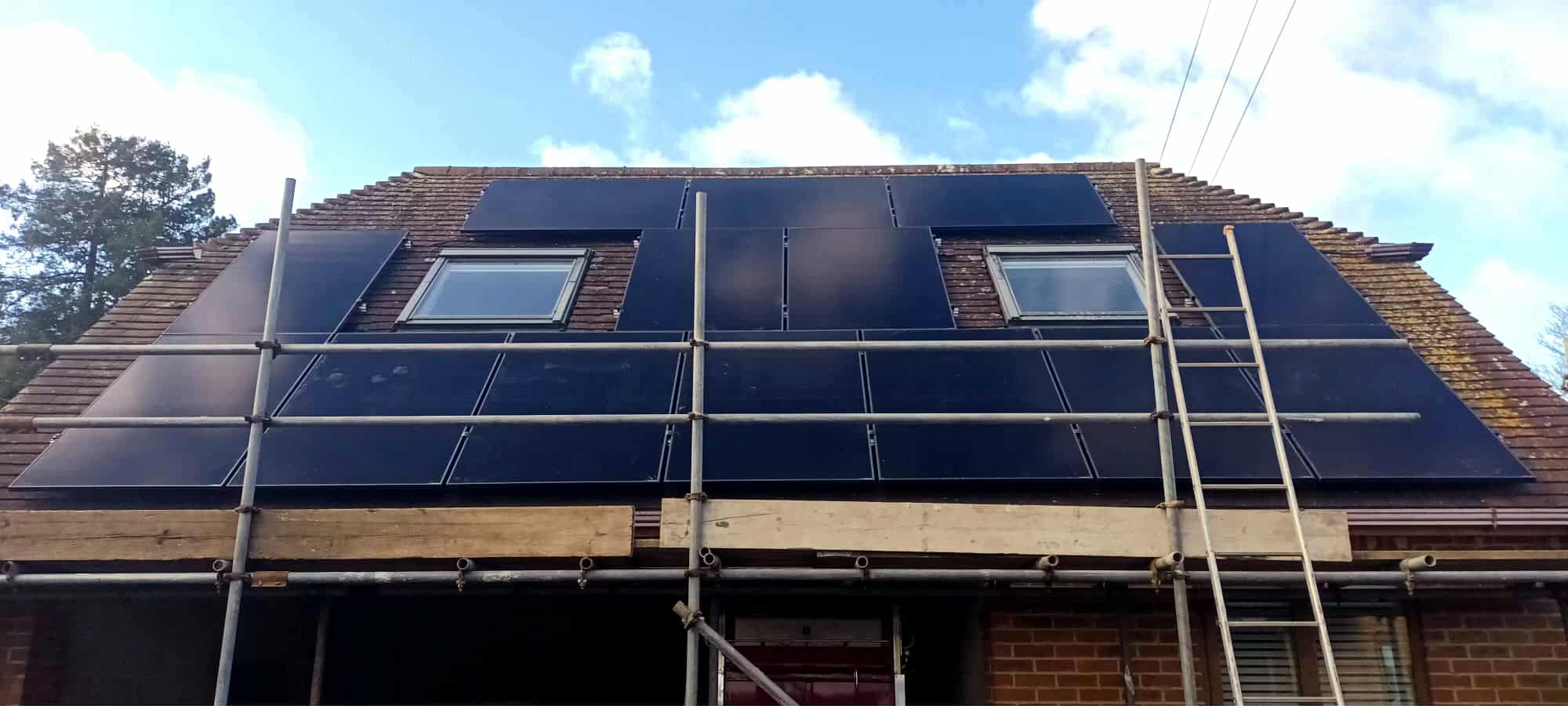
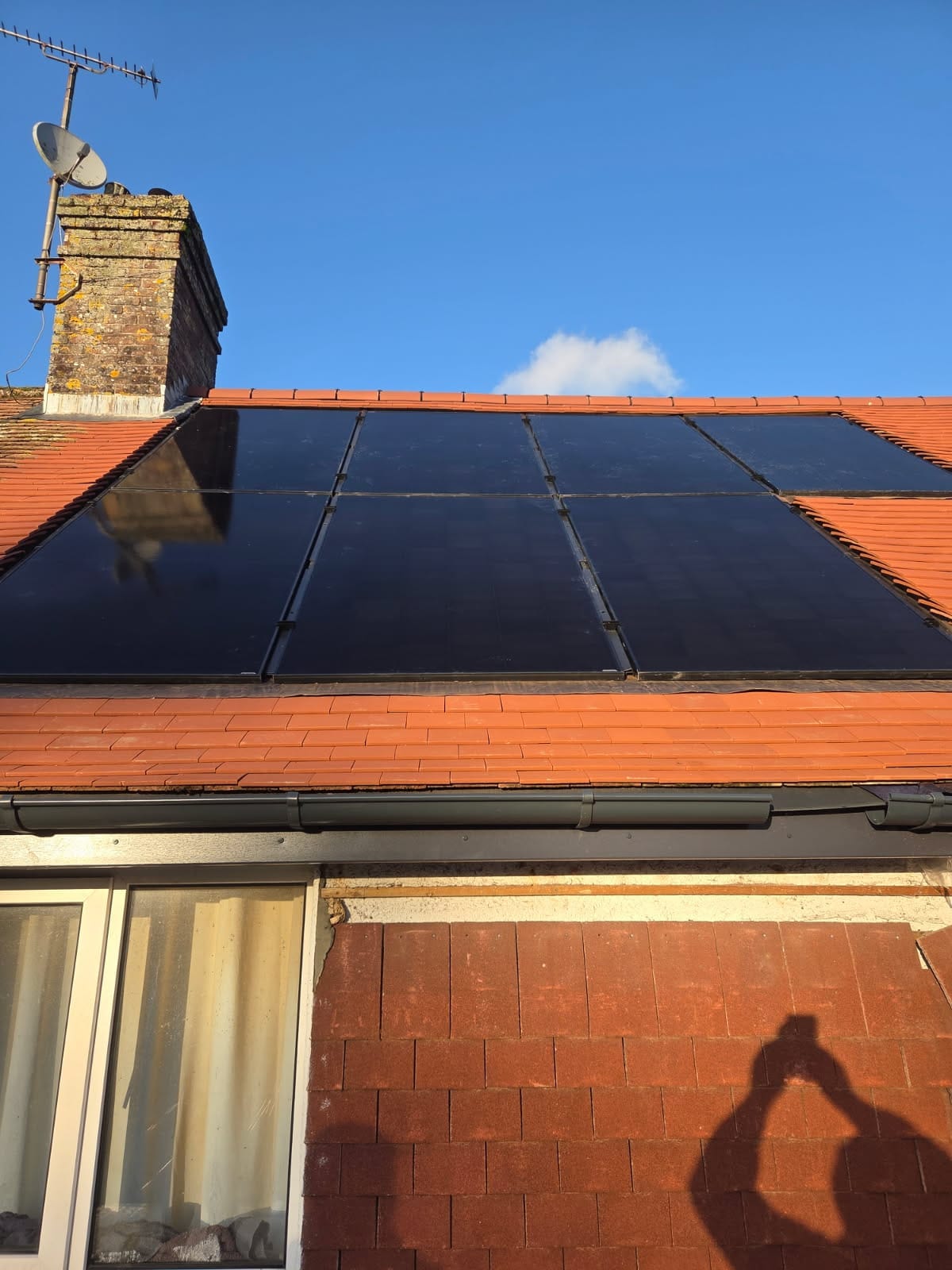
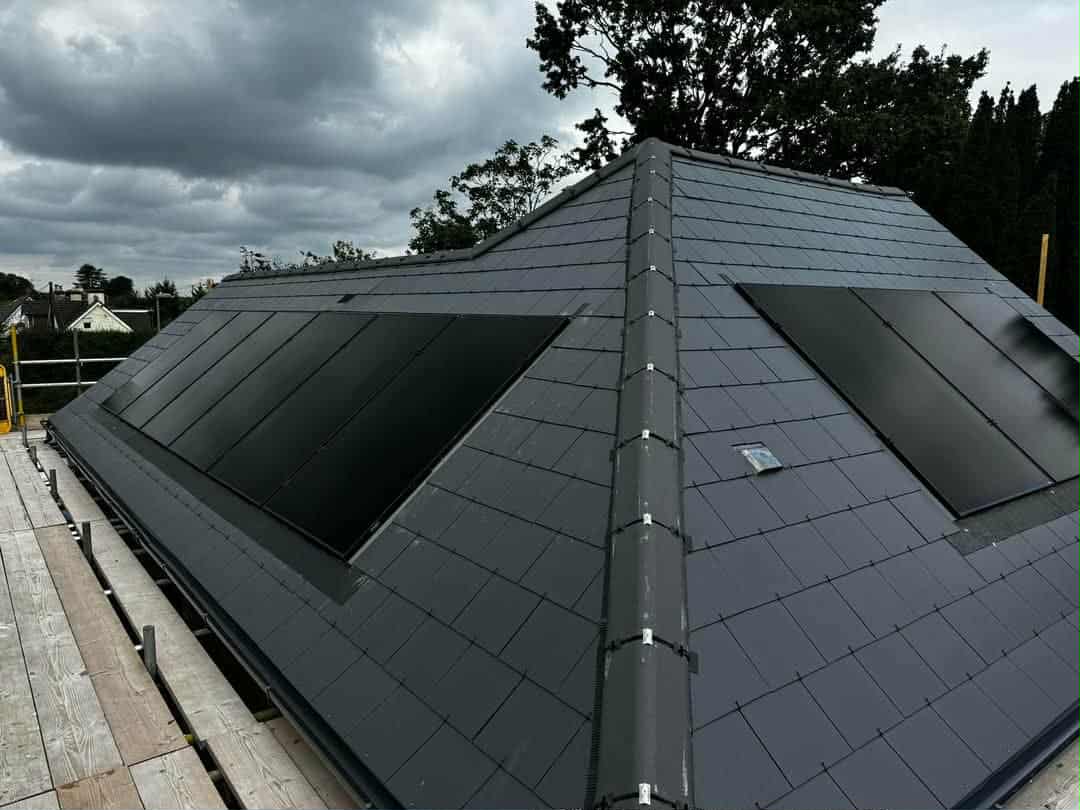
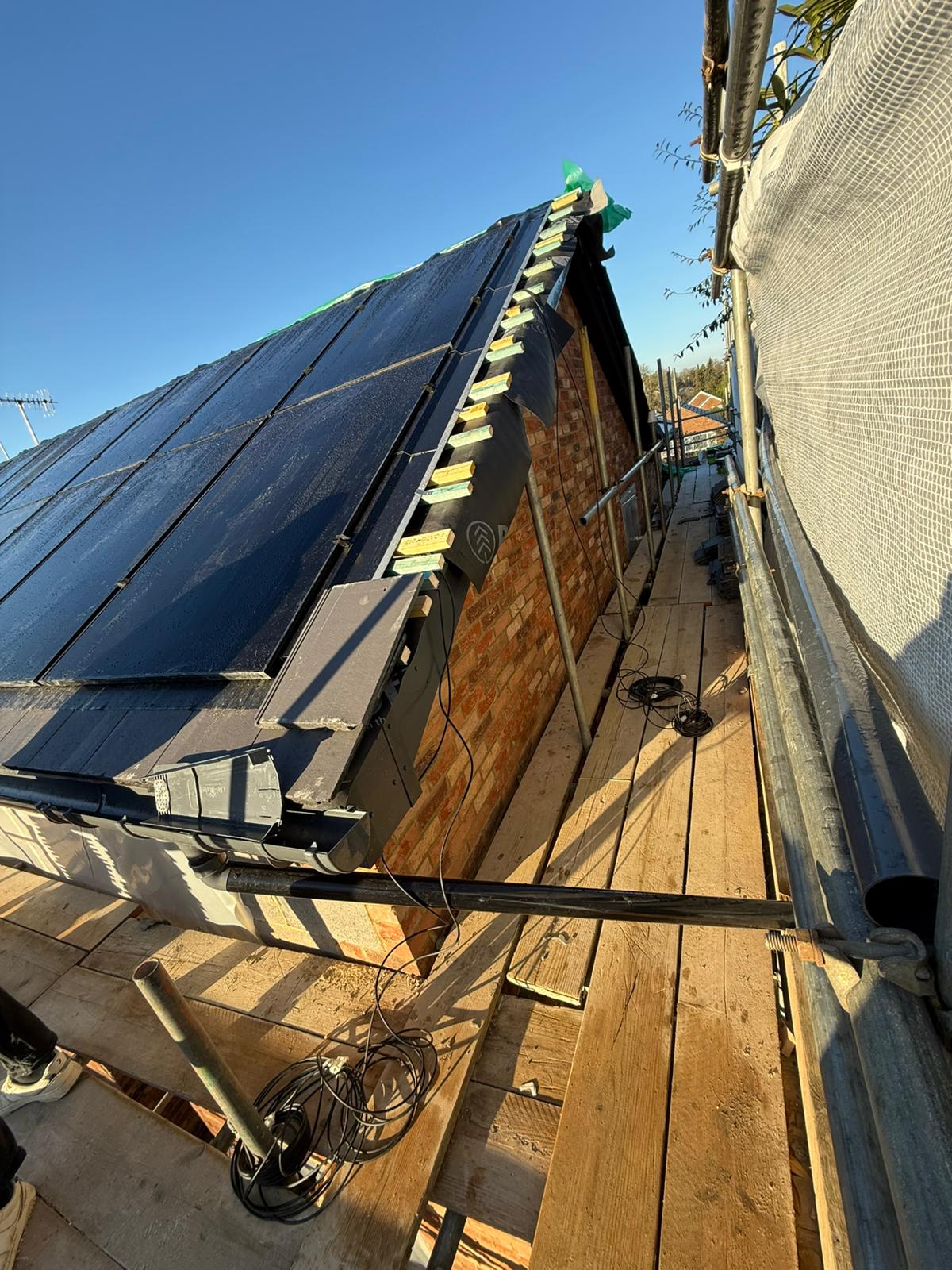
If you are considering solar panels for your Dorset home, one of the first questions you may ask is whether your property is suitable. The encouraging answer is that solar panels can work effectively on a wide variety of homes. However, every property needs to be considered individually.
Your roof direction, available space, shading and electricity consumption can all influence which type of solar panel system will work best. The condition of the roof and any planning restrictions may also need to be considered before installation begins.
At Dorset Green Energy, we assess your property, electricity usage and long term energy goals before recommending a system. This allows us to design a residential solar installation that suits your home rather than offering you a standard package.
If you would like a clear and honest assessment of your property, you can request a free consultation with our Dorset solar specialists.
Solar panel suitability is not determined by one factor alone. A home with a large south facing roof may appear ideal, but orientation is only part of the assessment. Roof strength, shading, energy usage and the available grid connection can be equally important.
A professional solar survey brings these details together. It helps establish whether solar panels are practical, where they should be positioned and what size of system may provide the greatest benefit.
Our approach is design led. We consider how the complete system will work for your household, both now and in the years ahead.
South facing roofs generally receive a high level of sunlight throughout the day. However, your roof does not necessarily need to face directly south for solar panels to be worthwhile.
East and west facing roofs can also provide useful generation. An east facing system may begin producing electricity earlier in the morning, while a west facing system can continue generating later in the afternoon. This may complement the way your household uses electricity.
Some properties have enough room to install panels across more than one roof elevation. This can spread generation across a greater portion of the day.
We assess the orientation of each suitable roof area before designing your system. We can then estimate how its position may affect generation and explain the available options clearly.
The amount of usable roof space helps determine how many solar panels can be installed. The total roof area is not always the same as the available installation area.
Chimneys, roof windows, dormers, vents and other obstructions can affect the proposed panel layout. Safe distances may also be required around roof edges and certain fixtures.
A smaller roof does not automatically make a property unsuitable. Modern panels can generate a considerable amount of electricity from a relatively compact area. The appropriate solution will depend on the panel specification, roof layout and your electricity requirements.
As part of our design process, we consider how to use the available space effectively without compromising the safety, appearance or performance of the installation.
Trees, chimneys, neighbouring properties and other structures can cast shadows across a roof. The effect of this shading may change throughout the day and at different times of the year.
Occasional or limited shading does not always prevent a home from benefiting from solar panels. However, it needs to be understood before the system is designed.
Panel positioning and the selection of appropriate equipment can help manage some shading conditions. In other situations, a different part of the roof may offer better performance.
We assess potential shading rather than relying on assumptions. This allows us to recommend a considered design and provide realistic expectations for the system.
Solar panels are designed to remain in place for many years. It therefore makes sense to consider the age and condition of your roof before installation.
Minor wear does not necessarily mean that solar panels cannot be installed. However, damaged tiles, structural concerns or a roof that is approaching the end of its serviceable life may need attention first.
Completing necessary roofing work before installing solar panels can help avoid the cost and inconvenience of removing the system for repairs at a later date.
The roof structure must also be capable of supporting the proposed installation. This should be assessed properly rather than judged by appearance alone.
If we identify an issue that requires specialist attention, we will explain it clearly before the project progresses.
The suitability of your home is not only about the building. Your electricity consumption also plays an important part in system design.
We look at how much electricity you use and, where possible, when you tend to use it. A household that uses more electricity during daylight hours may be able to consume a larger proportion of its solar generation directly.
Your future plans are important too. You may expect your electricity consumption to increase if you are considering an electric vehicle, heat pump, home office or other electrical equipment.
By understanding your current and anticipated usage, we can recommend a system that reflects the way you live. This is more valuable than simply fitting the greatest number of panels that will fit on the roof.
Solar panels generate electricity during daylight hours, but household demand often continues after the sun has set. A solar battery can store suitable surplus generation for use later.
Battery storage may help you use more of the electricity generated by your solar panels. It can be particularly useful if your home is often unoccupied during the day or if much of your electricity consumption occurs in the evening.
However, battery storage should not be recommended automatically. Its suitability depends on your electricity usage, solar generation, tariff and wider energy goals.
We can assess whether solar battery storage would complement your proposed system. Where appropriate, we can design the panels and battery as one integrated installation.
Your solar panel system will connect to the electricity network, so the relevant grid requirements must be considered during the project.
The process depends partly on the proposed system and local network conditions. Some installations can proceed through a straightforward notification process, while others may require approval before work begins.
This is one reason why system design should consider more than the available roof space. A suitable design must also account for the electrical installation, expected generation and applicable network requirements.
Dorset Green Energy can handle the technical specifications and grid connection coordination as part of the installation process.
Dorset Green Energy is an MCS certified solar installer serving homeowners across Dorset and the South Coast. Our team brings more than ten years of specialist experience and has completed more than 150 projects.
We believe that solar should be designed around the building and the people using it. We do not take manufacturer incentives, which means our equipment recommendations can remain independent.
Our installations include a six year workmanship warranty. The company also holds £10 million in public liability insurance, providing further reassurance when work is undertaken at your property.
From straightforward residential installations to homes affected by architectural or planning considerations, we approach every project with the same care. Our purpose is not simply to place panels on a roof. It is to create a considered system that performs reliably and complements the property.
If you are unsure whether your home is suitable for solar panels, a professional assessment is the most useful place to begin.
We can assess your roof, electricity consumption and future energy plans before designing a suitable system. You will receive clear information about the available options without pressure to accept a standard package.
Dorset Green Energy provides residential solar and battery installations across Poole, Bournemouth, Christchurch, Wimborne, Dorchester, Weymouth, Bridport, Blandford Forum and the wider Dorset area.
Request a free consultation to discuss your property with our team and get a tailored solar panel quote.
Yes. East and west facing roofs can still generate useful electricity. The expected output will depend on the roof angle, shading, available space and system design.
Not necessarily. Its condition and structural suitability should be assessed before installation. If repairs are likely to be required soon, completing them before fitting the panels may be advisable.
Solar panels may be possible on a listed building, but listed building consent and planning permission may be required. The design must respect the property’s character and relevant local requirements.